
Wisdom Teeth Removal & Recovery
Wisdom teeth removal is one of the most common oral-surgery procedures, yet many patients still have questions about when and why it’s necessary. At Synergy OMS in Reseda, CA, Dr. Vladimir Polyakov and his team specialize in safe, comfortable extractions using the latest surgical and anesthesia techniques. Whether you’re preparing for surgery, managing discomfort, or recovering at home, this complete resource covers everything you need to know about your wisdom-teeth journey—from evaluation and pain management to recovery timelines and long-term oral-health protection.
Understanding Wisdom Teeth
Most people develop their third molars—commonly called wisdom teeth—between the ages of 17 and 25. These teeth often erupt in the back of the mouth where there’s limited space, leading to problems such as impaction, infection, swelling, or shifting of surrounding teeth.
At Synergy Dental Implant and Oral Surgery Center, Dr. Vladimir Polyakov provides comprehensive evaluation, diagnosis, and treatment for wisdom teeth to protect your overall oral health and prevent future complications.
Whether you’re dealing with pain, swelling, or just want peace of mind, our goal is to provide the safest, most comfortable extraction experience possible with modern anesthesia and advanced oral-surgery techniques.
Educational Resources
- Common Myths About Wisdom Teeth RemovalCommon Myths About Wisdom Teeth Removal
- Exploring Wisdom Teeth and Dental CrowdingExploring Wisdom Teeth and Dental Crowding
- When Do Wisdom Teeth Come In?When Do Wisdom Teeth Come In?
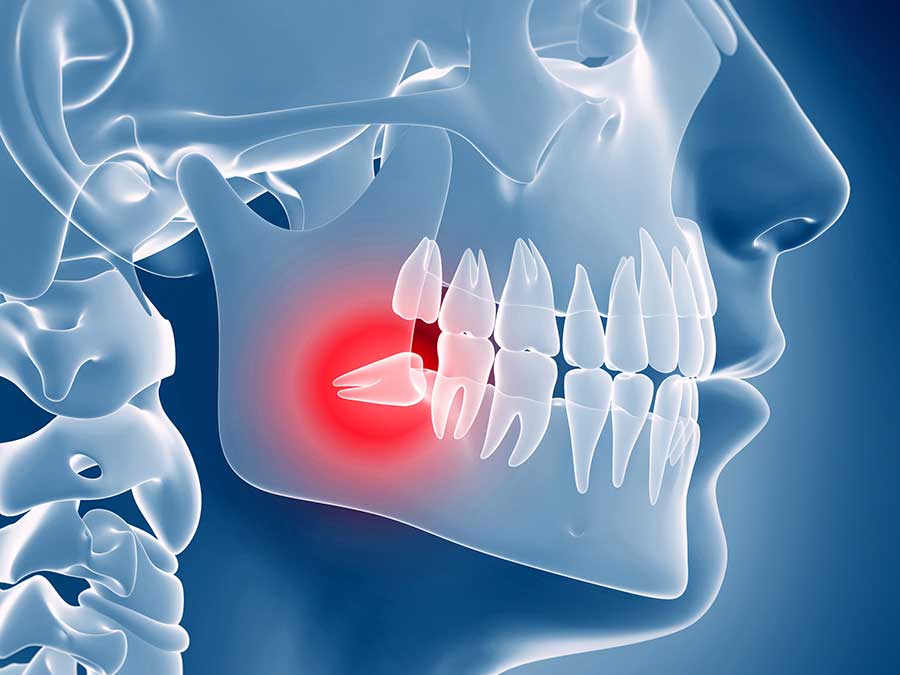
Why Wisdom Teeth Removal is Often Necessary
Wisdom teeth don’t always have enough room to erupt properly. When they remain trapped under the gums (impacted), they can cause crowding, infection, and even bone or nerve damage. Removing them early—before symptoms develop—often helps you avoid more complex procedures later.
Common reasons for removal include:
-Impacted or partially erupted wisdom teeth
-Recurrent infection or swelling
-Jaw pain or tightness
-Tooth decay in hard-to-clean back molars
-Orthodontic alignment concerns
At Synergy Dental Implant and Oral Surgery Center, Dr. Vladimir Polyakov provides comprehensive evaluation, diagnosis, and treatment for wisdom teeth to protect your overall oral health and prevent future complications.
Whether you’re dealing with pain, swelling, or just want peace of mind, our goal is to provide the safest, most comfortable extraction experience possible with modern anesthesia and advanced oral-surgery techniques.
Educational Resources
- Common Myths About Wisdom Teeth RemovalCommon Myths About Wisdom Teeth Removal
- Exploring Wisdom Teeth and Dental CrowdingExploring Wisdom Teeth and Dental Crowding
- When Do Wisdom Teeth Come In?When Do Wisdom Teeth Come In?

Preparing for Wisdom Tooth Extraction
Your comfort and safety come first. During your consultation, Dr. Polyakov will review your digital imaging, evaluate tooth position, and determine whether one or all four wisdom teeth should be removed. You’ll receive detailed preoperative instructions to ensure a smooth procedure.
What to Expect Before Surgery:
-Full clinical and radiographic evaluation
-Discussion of sedation options
-Pre-surgery dietary and medication guidance
-Postoperative recovery planning
Educational Resources
During the Procedure
Wisdom teeth removal at Synergy Dental Implant and Oral Surgery Center is performed using advanced surgical precision and anesthesia tailored to each patient. Whether you’re undergoing local anesthesia, IV sedation, or general anesthesia, the process is designed for maximum comfort.
Dr. Polyakov’s approach emphasizes:
-Minimally invasive extraction techniques
-Gentle tissue handling to reduce swelling and bruising
-Controlled removal to preserve surrounding bone and nerve tissue
This modern approach allows for quicker healing, less discomfort, and a faster return to daily activities.
Educational Resources
Recovery and Aftercare
The recovery period is an essential part of the process. Following your surgery, you’ll receive clear, written aftercare instructions to ensure smooth healing.
Typical Recovery Timeline
Day 1–2: Rest and ice packs to manage swelling.
Day 3–5: Gradual return to soft foods; rinse gently with warm salt water.
1 week+: Return to normal activity as healing progresses.
Key Recovery Tips:
Avoid using straws or smoking (to prevent dry sockets).
Keep the surgical site clean with gentle rinsing.
Take prescribed or over-the-counter medication as directed.
Maintain hydration and soft nutrition.
Educational Resources
Pain Management and Comfort
Pain following surgery is normal but temporary. Thanks to PRF (Platelet-Rich Fibrin) healing technology and minimally invasive techniques, many patients at Synergy experience faster recovery and fewer complications like dry sockets.
Comfort-focused measures include:
-Sedation options tailored to your needs
-PRF treatment for faster soft-tissue healing
-Ice and compression protocols
-Customized medication plans
Educational Resources
Long-Term Benefits of Early Wisdom Tooth Removal
Extracting wisdom teeth before they cause pain or crowding protects not only your current smile but also your long-term oral and jaw health. Removing these teeth in your teens or early twenties often leads to:
-Shorter recovery times
-Less risk of infection
-Easier orthodontic outcomes
-Improved gum and bone health
Educational Resources
If you’re unsure whether your wisdom teeth should be removed, schedule an evaluation with Dr. Vladimir Polyakov for personalized advice and imaging review.